Many homeowners assume their insurance company will automatically pay for a new roof after a storm. The reality is more complicated. Getting your insurer to cover a full roof replacement requires understanding your policy, documenting the right evidence, and working with a contractor who knows how the claim process works. This guide breaks down exactly what Long Island homeowners need to do, step by step. Keep in mind, I’m speaking from experience. This is not meant to be any kind of legal advice, just thoughts from someone who’s seen these processes play out. Always consult with your provider or an expert about any contractual obligations.
CLICK NUMBER TO CALL
OR
When Will Homeowners Insurance Pay for a New Roof?
Homeowners insurance typically covers sudden, accidental storm damage, including roof damage from wind, hail, and fire. If a nor’easter tears shingles off your roof or a falling tree punches through your decking, that is the kind of covered event that triggers a payout.
Insurance typically excludes damage from aging or poor maintenance. A roof that has been slowly deteriorating for years, with curled shingles and chronic roof leaks, will not qualify for replacement coverage just because it finally fails during a rainstorm. The damage must result from a covered peril outlined in the policy.
The key to getting your insurer to pay comes down to two things: proving a covered event caused the damaged roof and showing the roof was in reasonable condition before the loss. Rapid Roofing inspects storm damage across Suffolk and Nassau Counties and provides the documentation insurers expect.
Understand How Your Homeowners Insurance Policy Treats Roofs
Your insurance policy is the rulebook your insurance company follows. Before you file an insurance claim, you need to know what your rules say about roof coverage. The biggest distinction is between actual cash value and replacement cost value policies:
Actual cash value (ACV) accounts for depreciation based on the roof’s age. A 10-year-old asphalt shingle roof with a 25-year expected lifespan might have roughly 40% depreciation, meaning the insurer pays only about 60% of the replacement cost minus your deductible.
Replacement cost value (RCV) pays for full roof replacement minus the deductible. The insurer withholds the depreciated portion initially but releases it after you complete the work and submit receipts.
Insurers can issue an initial payout based on the ACV amount before the full replacement cost is settled. Many New York carriers restrict RCV for roofs older than 15 to 20 years, automatically switching to ACV or adding roof endorsements that limit payouts. Roof endorsements can enhance coverage for storm-related damage, but they can also restrict it, so read carefully.
Policies often have specific deductibles for wind or hail damage that differ from standard deductibles. On Long Island, hurricane deductibles are percentage-based. A Suffolk County home insured for $400,000 with a 5% hurricane deductible means a $20,000 out-of-pocket cost before coverage kicks in.
Look for language in your homeowners insurance policy about “roof surface,” “windstorm,” “hurricane,” and “cosmetic damage.” If your roof is approaching 20 years, understand that older roofs face significantly reduced coverage or outright exclusions.
What Kinds of Roof Damage Are Usually Covered – and Not Covered?
The cause of the damaged roof matters more than the size of the leak when it comes to insurance coverage.
Common covered causes on Long Island:
Nor’easter wind damage tearing off shingles or flashing
Hail damage puncturing or cracking roofing material
A falling tree or large limb crashing through the roof during a thunderstorm
Fire, lightning, or vandalism
A covered loss must be sudden and accidental. Insurance may cover roof leaks from unforeseen events like storms, but claims may require proof of sudden damage from covered events, and recognizing signs you need roof replacement in Long Island can help you distinguish storm damage from long-term wear.
Common non-covered causes:
Normal wear and tear, including granule loss and curled shingles from age
Poor maintenance such as clogged gutters, missing ventilation, or long-term water intrusion around skylights
Flat roof ponding from lack of drainage
Damage that was installed incorrectly from the start
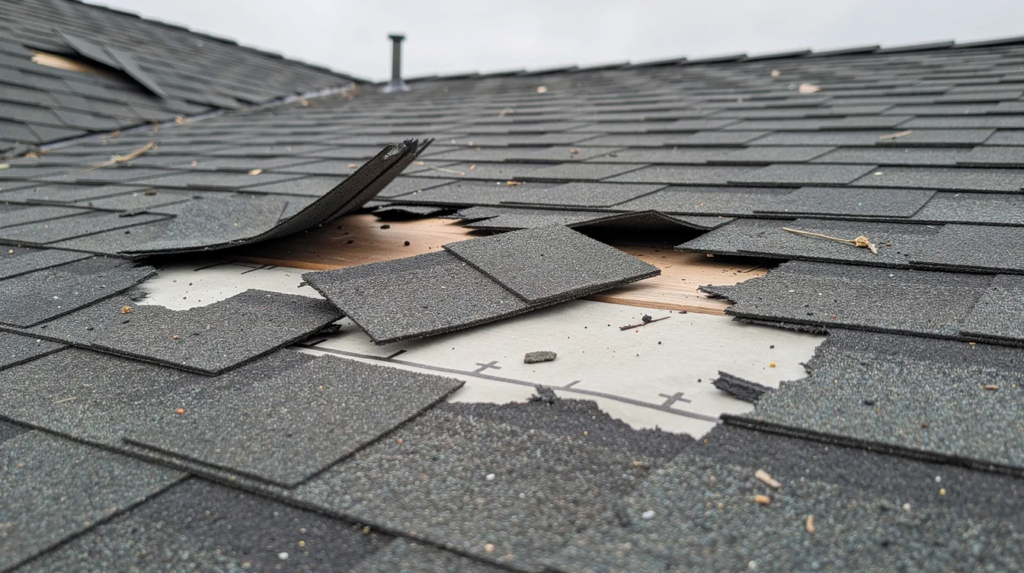
The insurance company can cover roof damage caused by a covered event but may deny unrelated pre-existing issues found during inspection. If wind has removed a large area of missing shingles, insurers often recognize that as grounds for a full roof replacement, especially when matching existing roofing material is impossible. Insurance does not cover normal wear and tear or damage from neglect.
CLICK NUMBER TO CALL
OR
Step 1: Document Roof Damage Immediately After a Storm
Clear, time-stamped evidence is one of the strongest ways to get insurance to pay for roof replacement. Document roof damage immediately after a storm, before anything changes.
Take wide and close-up photos plus short videos showing missing shingles, exposed underlayment, torn flashing, or tree impact
Photograph interior damage: ceiling stains, wet attic insulation, bubbling paint, and water damage to flooring
Save local weather reports or news clips referencing the specific storm date to support that a covered event occurred
Keep all receipts related to emergency repairs, including tarping costs, for reimbursement
Provide extensive photos of the damage for your claim. Avoid walking on a damaged roof yourself – photograph from the ground or let a roofing contractor handle the close-up inspection. Keeping a folder with all images, videos, and receipts makes the claim process smoother.
Step 2: Get a Professional Roof Inspection and Written Estimate
It’s advisable to engage a professional roofing contractor for inspections before filing a claim. A reputable contractor can help document damage in language that aligns with what most insurance companies expect to see.
A Rapid Roofing storm damage inspection or expert roof leak repair visit typically includes photos of damaged asphalt shingles or flat roofing, notes on creased or missing shingles, hail impact marks, and structural concerns. The report should clearly connect the damage to a specific storm date, using terms like wind damage, covered peril, and sudden loss.
The written estimate should separate emergency tarp or temporary repair costs from full roof replacement so the insurance company sees the full cost and scope of work, and a contractor with a simple, transparent roofing process makes those numbers easy to understand. Choose a reputable contractor to validate your damage claim – using a licensed, insured local company rather than an out-of-town storm chaser increases credibility with the insurer.
Some insurers have thresholds – such as more than 25% of a slope damaged – that trigger full replacement. A detailed inspection helps prove when those thresholds are met.
Step 3: File Your Roof Insurance Claim the Right Way
Timing matters. Homeowners must report damage to their insurer within a specific timeframe, and most policies require damage to be reported within a set time frame. Waiting months gives the insurance provider a reason to deny coverage.
Call the insurer’s claims number on your insurance policy and report the specific covered loss – say “wind damage” or “hail damage,” not just “a leak.” Provide:
Date and time of the storm
Type of storm (wind, hail, nor’easter)
When the damage was first noticed
Emergency steps taken to prevent further water intrusion
Give the insurance company copies of your roofer’s inspection report, photos, videos, and invoices for emergency tarping or water cleanup. Insurance companies typically send an adjuster to inspect the damage within a few days to two weeks.
Keep a simple log of every phone call and email with dates, names, and what was discussed. This record protects you if there is a dispute later.
Step 4: Work With the Insurance Adjuster During the Inspection
The adjuster’s report largely determines whether the insurer will pay for a full roof replacement or just minor roof repair. Having the contractor present during the insurance adjuster’s inspection can help ensure all damage is recognized.
A Rapid Roofing representative can walk the roof with the adjuster, pointing out damage on all slopes, valleys, flashing, and skylights – not just the most visible area. Show the adjuster interior damage and photos from the day of the storm.
If the adjuster initially concludes only minor damage exists, the contractor can explain why a repair may not be sufficient and when replacement is more appropriate. Supplement requests can be submitted if hidden damage is found after the initial assessment – for example, rotted decking discovered only after tear-off.
If you strongly disagree with the findings, you can request a reinspection or follow your insurance policy procedures for a second opinion, and working with a contractor whose mission and values prioritize homeowner advocacy can make that process less stressful.

Step 5: Review the Insurance Estimate and Plan Your Roof Replacement
The insurer will send a written estimate showing what they will pay and what you owe out of pocket. Expect line items for tear-off, underlayment, asphalt shingles or other materials, flashing, labor, and sometimes upgrades required by local building codes.
The first check often reflects the actual cash value. Under an RCV policy, the remaining replacement cost value is paid after the work is completed and contractors should provide final documentation for insurance payments.
Compare the insurance company’s scope with Rapid Roofing’s detailed proposal to ensure all damaged components are included. Upgrades beyond what the policy covers – like premium designer shingles, metal accents, or new skylights – are your responsibility, but the full cost of the approved scope should be covered by the insurer.
New roofs can reduce insurance premiums by 5% to 35%. Ask your insurance provider about discounts for installing impact-resistant roofing material, which may also lower your future insurance costs. Impact-resistant roofs may qualify for insurance discounts that save you money year after year, and a comprehensive Long Island roof replacement guide can help you compare material options and long-term value.
CLICK NUMBER TO CALL
OR
Step 6: Choose a Trusted Long Island Roofing Contractor and Complete the Job
Your choice of contractor affects both the insurance claim result and the long-term performance of the new roof. Choose a contractor experienced in handling insurance claims, such as a top-rated roofing company in Long Island. Verify your contractor’s credentials and licensing to avoid scams.
What to look for in a Long Island roofing contractor and a proven residential roofing contractor in Nassau County:
New York licensing and verifiable credentials
Local office with strong reviews
Manufacturer certifications (such as Owens Corning Platinum Preferred)
Proof of liability insurance and workers’ compensation
Rapid Roofing specializes in working with roof damage claims in Nassau and Suffolk Counties and knows how to align the roof replacement with the approved scope so the insurer pays as expected, whether for homes or commercial roofing projects in Nassau County. Working with trusted contractors ensures compliance with insurance standards.
Get a clear written contract showing materials, color, warranty terms, start date, and how insurance payments, deductibles, and any upgrades will be handled. Durable roofing materials lower the risk of future damage claims – for example, synthetic cedar shingles can last over 50 years. Once the roof is replaced, keep all final invoices, completed-roof photos, and warranty documents.
How to Avoid Common Reasons Insurers Refuse to Cover Roof Replacement
Many denied insurance claims come down to preventable issues. Here is what to do to protect your claim before a storm ever hits:
Clear debris from gutters at least twice a year to avoid water buildup
Trim tree branches away from the roof
Address minor roof repairs quickly to prevent leaks from becoming major damage
Schedule regular professional roof inspections, especially once an asphalt shingle roof passes 10 to 15 years of age
Keep records of past repairs, inspections, and maintenance to prove you did not neglect the roof
Insurance companies review roof conditions at policy renewal. Older roofs are more prone to leaks and structural issues, which can lead to reduced coverage or non-renewal. Regular roof inspections can prevent major damage and keep your roof insurable.
Do not delay claims for months after a storm. Do not allow unlicensed storm chasers to do unauthorized work before the adjuster visits – it can jeopardize a legitimate claim outright, and understanding how to spot and avoid common roofing scams will help you protect both your home and your insurance claim.
Can You Really Get a “Free Roof” From Insurance?
Be cautious with any company promising a free roof. Even with a fully covered loss, the homeowner is responsible for their policy deductible and any upgrades that go beyond the approved insurance coverage. There is no scenario where insurance hands you a roof with zero cost.
Insurers only pay for roof replacement when a legitimate claim backed by real storm damage exists. Filing a claim without actual damage can be considered insurance fraud. Be skeptical of anyone who knocks on your door after a storm promising a free roof regardless of actual damage or insurance policy terms.
Rapid Roofing focuses on accurately documenting real storm damage and guiding homeowners through a legitimate claim process – not gaming the system. If your home has a damaged roof after a recent Long Island storm, contact Rapid Roofing for a free inspection and an honest assessment of whether your homeowners insurance is likely to cover the replacement.
Frequently Asked Questions (These are Just our Experience, Not Legal Advice or Any Kind of Suggestion)
What qualifies a roof to be covered by insurance?
A roof qualifies for coverage when the damage is sudden and accidental, caused by a covered peril such as wind, hail, fire, or a falling tree. The insurer also needs proof the roof was in reasonable condition before the loss. Gradual issues like age-related wear, curled shingles, or long-term leaks from poor maintenance don’t qualify, since insurance covers specific events, not deterioration over time.
What not to say to a roof insurance adjuster?
Avoid guessing at what caused the damage or how long it’s been there. Phrases like “it’s probably been leaking for a while” can suggest neglect and give the adjuster grounds to deny the claim. Don’t speculate on repair costs, agree to a first offer on the spot, or downplay the extent of the damage. Stick to the facts: when the storm happened, what you noticed, and what your contractor documented. Having a roofing contractor present during the inspection helps keep the conversation focused on the actual evidence.
How to pay for a roof when you can't afford it?
If the damage stems from a covered storm event, filing an insurance claim is usually the first step. Beyond that, many roofing companies, including Rapid Roofing, offer financing plans that break the cost into monthly payments. Homeowners also use home equity loans, HELOCs, or personal loans to cover the gap between what insurance pays and the full project cost. Some contractors will phase the work, prioritizing the most urgent repairs first, and a few states and municipalities offer energy-efficiency financing programs (like PACE loans) for qualifying roof upgrades.
How to get house insurance to pay for roof replacement?
Document the damage right after the storm with photos and video, then get a professional inspection and written estimate that ties the damage to the specific storm date. File the claim promptly, naming the specific peril (wind or hail damage, not just “a leak”). Have your contractor present during the adjuster’s inspection so nothing gets missed, and review the settlement carefully to understand whether you’re on an ACV or RCV policy. Working with a contractor experienced in insurance claims makes each of these steps easier to get right.