Introduction to Roof Vents and Their Importance
Roof vents are a vital part of your home’s ventilation system, and they play a huge role in maintaining proper airflow throughout your attic and roof. Without proper ventilation, excess moisture can build up in your attic and lead to mold growth, along with higher energy costs. Roof vents work by creating balanced airflow—hot air rises and escapes through exhaust vents while cooler outside air enters through intake vents, which is how attic ventilation works. With so many different types of roof vents available, it’s important to understand which one is right for your home or building, because roof ventilation matters for energy efficiency and protecting the roof system.
CLICK NUMBER TO CALL
OR
Common Types of Roof Vents
There are two main categories of roof vents for houses: passive vents and active vents, used within the broader intake and exhaust setup. An attic ventilation system works best when both sides work together: exhaust ventilation moves hot, humid air out, while intake ventilation brings fresh outside air in. Each type of vent plays a specific role in ensuring your roof has a balanced ventilation system.
Exhaust Vents
Exhaust vents are designed to allow hot, humid air to escape from your attic. They are typically installed with exhaust vents positioned near the highest part of the roof, since hot air rises and needs a path out of the attic air. Without these vents, warm air can get trapped, causing the attic to overheat and moisture to build up. Common examples of exhaust vents include ridge vents, turbine vents, powered vents, static roof vents, cupola vents, off-ridge vents, and hip vents. Most of these are passive options, while powered roof vents are a form of active ventilation.
Ridge Vents: Ridge vents are installed along the peak of the roof and are one of the most efficient ways to ventilate an attic. A continuous ridge vent runs the length of the roof’s ridge as a passive exhaust option, providing consistent airflow so hot air can escape evenly. Ridge vents are great for homes in both hot and cold climates, as they help reduce energy costs by preventing heat buildup.
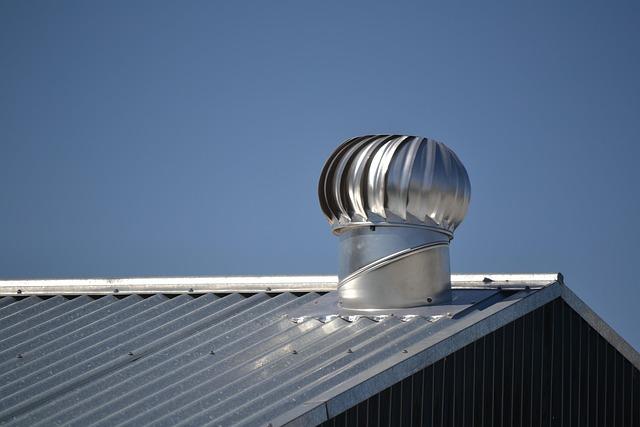
Turbine Vents: Turbine vents, also called whirlybirds, are a type of exhaust vent that uses wind power to spin a turbine and actively pull hot air out of the attic. As the wind blows, the turbine spins, creating suction that draws hot, moist air out of the attic. While effective in windy areas, turbine vents may not be as reliable in calm weather conditions.
Power Vents (Electric or Solar): Power vents are motorized active vents that use either electricity or solar energy to actively pull air from your attic. They may also use temperature or humidity controls to regulate airflow, but poor ventilation balance can sometimes pull out conditioned air from the living space. Solar-powered models are an eco-friendly option that doesn’t add to your energy bills, making them a great choice for environmentally conscious homeowners.
Static Roof Vents (Box Vents): Static roof vents, also known as box vents, are stationary vents that allow heat and moisture to escape through the roof. They are also commonly called louver vents, roof louvers, or turtle vents. Unlike other vents that use the natural rise of warm air, static vents don’t require moving parts, making them low-maintenance. These vents are best suited for smaller homes, while larger or more complex roof layouts may need multiple box vents.
Cupola Vents: Cupola vents are the charming little rooftop structures often seen on barns or older buildings. While they add aesthetic appeal, they also function as vents, allowing hot air to escape from the attic. Cupolas are often used in conjunction with other ventilation systems to provide additional airflow in larger buildings.
Off-Ridge Vents: Off-ridge vents are installed lower down the roof than ridge vents and are often used when ridge vents aren’t a suitable option. These vents work similarly to ridge vents, allowing warm air to escape from the attic. They’re typically smaller and installed in multiples to achieve sufficient ventilation.
Hip Vents: Hip vents are similar to ridge vents but are specifically designed for roofs that don’t have a ridge or have a smaller ridge line. They are especially useful on hip roofs. These vents sit along the roof’s hips and provide continuous ventilation while maintaining the roof’s structure and appearance.
Intake Vents
Intake vents are installed near the lower edges of the roof and are essential for letting fresh air into the attic. These vents work together with exhaust vents to create balanced airflow and a balanced attic ventilation system. As cooler outside air enters through the intake vents, it pushes warm air out through the exhaust vents, supporting an effective attic ventilation system that helps regulate temperature and humidity.
Common examples of intake vents include soffit vents, gable vents, ridge vents with intake baffles, undereave vents, over-fascia vents, drip edge vents, and mechanical intake vents.
Soffit Vents: Soffit vents are a type of intake vent that is typically installed under the eaves of a roof. They allow cool, fresh air to flow into the attic, which is crucial for maintaining the airflow needed to push out hot air through exhaust vents. A continuous ridge vent paired with soffit vents is a common setup for balanced airflow. Soffit vents are common in residential homes and are often used in combination with ridge vents for optimal ventilation.
Gable Vents: Gable vents are installed on the exterior walls of a home, near the roof’s peak. These vents help release hot air from the attic while also allowing cool air to circulate through the attic. Gable vents are often more visible than other types of vents, adding a bit of architectural style to homes. They’re also a great option for homes that may not be able to accommodate ridge vents, though they do not always provide the same balance as soffit-and-ridge combinations.
Ridge Vents with Intake Baffles: Ridge vents with intake baffles are a dual-function system designed to act as both intake and exhaust vents. Typically installed along the roof’s peak, they allow fresh air to be drawn into the attic while expelling hot air simultaneously. The intake baffles create an efficient flow of air, especially in low-slope roofing designs, ensuring balanced ventilation throughout the attic. This type of vent is often paired with other roofing ventilation solutions for homes requiring enhanced airflow management.
Undereave Vents: Undereave vents are intake vents placed beneath the roof eaves, facilitating the steady flow of cool air into the attic space. These vents help create the necessary air circulation that pushes warm, stagnant air out through exhaust vents. Undereave vents are a staple in residential roofing systems, often paired with ridge vents to create a balanced and efficient ventilation system that helps regulate attic temperature and moisture levels.
Over-fascia Vents: Over-fascia vents are a sleek intake vent solution installed between the fascia board and the roof deck. They are designed to allow fresh air to enter the attic when traditional soffit venting isn’t possible, such as when there is limited soffit space. By bringing air in from the roof’s edge, over-fascia vents provide effective ventilation while maintaining the roof’s clean, streamlined appearance, making them a popular choice in modern roofing systems.
Drip Edge Vents: Drip edge vents are a type of intake vent installed at the edge of the roof, just beneath the shingles. They serve the dual purpose of drawing cool air into the attic while also protecting the roof’s edge from water damage. These vents are especially useful in homes with little to no soffit space, offering a practical intake solution without compromising the roof’s overall integrity. Drip edge vents ensure that fresh air can circulate effectively while keeping moisture at bay.
Mechanical Intake Vents: Mechanical intake vents are powered systems designed to force fresh air into a building’s attic or roof space, providing more controlled and consistent ventilation compared to passive venting options. Often used in large or commercial roofing applications, these vents ensure adequate airflow in spaces that may not naturally ventilate well.
Proper roof ventilation is essential to maintaining a healthy, energy-efficient home. By understanding the differences between intake and exhaust vents, homeowners can choose the right combination of vents to ensure optimal airflow, reduce moisture buildup, and protect their roof’s longevity.
Roof Vents for Specific Applications
In addition to general roof ventilation, specific applications require dedicated vents to function efficiently.
Roof Vents for Bathroom Fans
Bathroom exhaust fans help remove moisture that could otherwise lead to mold growth and affect indoor air quality in nearby living spaces. Roof vents for bathroom fans are designed to handle the steam and humidity produced by hot showers and baths. These vents connect directly to the bathroom fan’s ductwork, allowing moist air to escape from the home.
Roof Dryer Vents
Dryer vents are designed to release the warm, moist air from clothes dryers outside of the home. Roof dryer vents provide an outlet for this air when venting through an exterior wall isn’t an option. They help prevent lint buildup in dryer ducts and reduce the risk of fire.
Residential Roof Vents
Residential roof vents are tailored to the needs of homes, providing adequate ventilation that helps lower cooling costs while avoiding inadequate ventilation or improper ventilation that can raise attic temperatures and cause moisture problems. These vents can include ridge vents, soffit vents, and gable vents, depending on the home’s structure and location.
Commercial Roof Vents
Commercial buildings require a different approach to ventilation due to their larger size, broader roof surface, and different roofing materials. Commercial roof vents are typically larger and may include power vents, mechanical intake vents or turbines to move the large volumes of air needed to ventilate these spaces.

For a complimentary inspection call us or request a free estimate.
CLICK NUMBER TO CALL
Special Venting Considerations
In some cases, special vents are needed to handle unique venting requirements or protect the roof and vent systems from external elements.
Roof Vent Caps
Roof vent caps are designed to protect roof vent openings from rain, snow, and pests. They are commonly used with exhaust vents to ensure that air can escape while preventing outside elements from entering the home.
Roof Vent Pipes
Vent pipes are necessary for allowing gasses from plumbing and appliances to exit the home safely. Proper vent pipe installation is critical to preventing dangerous gasses like carbon monoxide from building up in enclosed spaces.
Choosing the Right Type of Roof Vent
Selecting the right roof vent for your home or building is part of creating a balanced ventilation system and depends on several factors, including the size of the space, attic floor space, the local climate, and the type of roof. If you’re wondering how many roof vents are needed, the answer depends on attic size, vent capacity, and local code requirements. In humid environments, vents that provide continuous airflow like ridge vents or power vents are often the best choice. In dry, hot climates, soffit and ridge vents can help keep your home cool without increasing energy costs, and powered options only improve efficiency when there is enough intake air so they do not pull conditioned air from the home.
Ensuring Proper Roof Ventilation for a Safe and Efficient Home
Roof vents are an essential part of keeping your home or building safe and comfortable, and the most effective setups rely on intake and exhaust working together in a balanced ventilation system. Whether you need to ventilate a large commercial space or keep your attic dry, there are many types of vents available to suit your needs. From ridge vents for continuous airflow to turbine vents for enhanced ventilation in large commercial spaces, selecting the right type of vent will depend on your structure’s layout and climate to prevent inadequate ventilation and protect comfort, moisture control, and long-term roof performance. For long-term energy savings and protection from moisture, consult a professional to ensure your roof ventilation system is up to the task.
About Rapid Roofing
Our mission at Rapid Roofing is to provide a stress-free, refreshingly simple, world-class roof installation experience for our customers in Long Island, NY. We look forward to protecting you. With over 300+ 5 star reviews on Google, you can trust the expert roofing contractors at Rapid Roofing to replace your roof on-time and within budget.
For a quick, no-obligation estimate on your next roofing project, fill out our estimate form!